In today’s data-driven world, the need for reliable, efficient, and sustainable power management systems is more important than ever. Whether it’s for IT infrastructure, server rooms, or data centers, ensuring that power is distributed effectively is critical for continuous operation and minimizing downtime. One key component in achieving this is the Power Distribution Unit (PDU). PDUs play an essential role in distributing power to various devices and ensuring that electrical supplies are stable and efficient. This article will delve into all aspects of PDUs, including their types, functions, and the benefits of using them, especially in data centers.
What is a PDU?
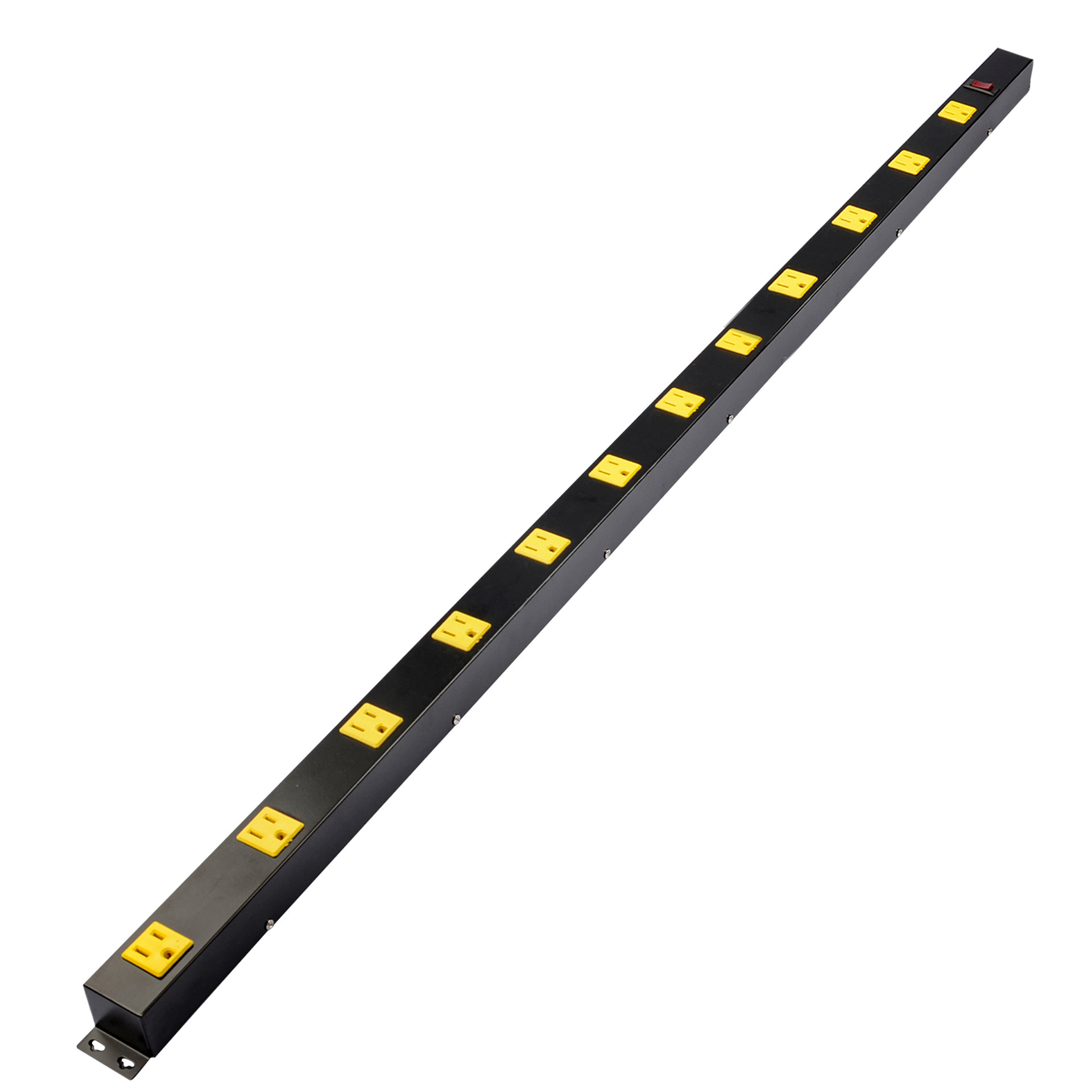
A PDU (Power Distribution Unit) is a device used to distribute electrical power to various equipment within a network, such as servers, computers, and other IT devices. Typically, PDUs are used in data centers, server rooms, and other mission-critical environments where uninterrupted power is essential.
A Basic Power Distribution Unit (PDU) is designed to take power from a single source and distribute it across multiple outlets to power equipment. Depending on the type of PDU, it may offer features such as surge protection, power metering, and even remote monitoring. These devices help ensure that electrical power is supplied efficiently, without overloads or power interruptions, which are vital in maintaining the performance and reliability of IT infrastructure.
Types of PDUs
There are different types of PDUs that cater to various needs and environments:
Basic PDUs: These PDUs offer simple power distribution with no advanced features such as monitoring or control. They are generally used in less complex setups where power distribution is the primary need.
Metered PDUs: These PDUs provide real-time monitoring of power usage. They give operators insight into the power consumption of individual equipment and help ensure that power usage remains within safe limits.
Switched PDUs: These PDUs allow remote control of power outlets, enabling the ability to turn devices on or off from a remote location. This is useful for situations where equipment needs to be reset remotely.
Intelligent PDUs: These PDUs integrate both power metering and remote switching with additional features like temperature monitoring and alarm alerts for power conditions. They help in managing energy consumption and preventing equipment failure.
Dual Input Power Distribution Units: These specialized PDUs provide dual power inputs, ensuring continuous power supply even if one power source fails. They are essential for mission-critical operations that require high uptime.
Why Use a PDU?
The need for PDUs stems from the growing complexity and power demands of modern IT infrastructure. Data centers, server rooms, and large network installations require power management solutions to maintain smooth operations, improve efficiency, and reduce downtime. Here are a few reasons why PDUs are essential:
Efficient Power Distribution: PDUs help distribute power to various devices evenly and efficiently, preventing power surges and overloads.
Power Management: Many advanced PDUs offer power monitoring and alert systems, enabling managers to track power usage and optimize energy consumption. This can result in cost savings and a smaller environmental footprint.
Redundancy: PDUs can offer redundancy features, such as dual input power distribution units, ensuring that power is consistently available even if one power source fails.
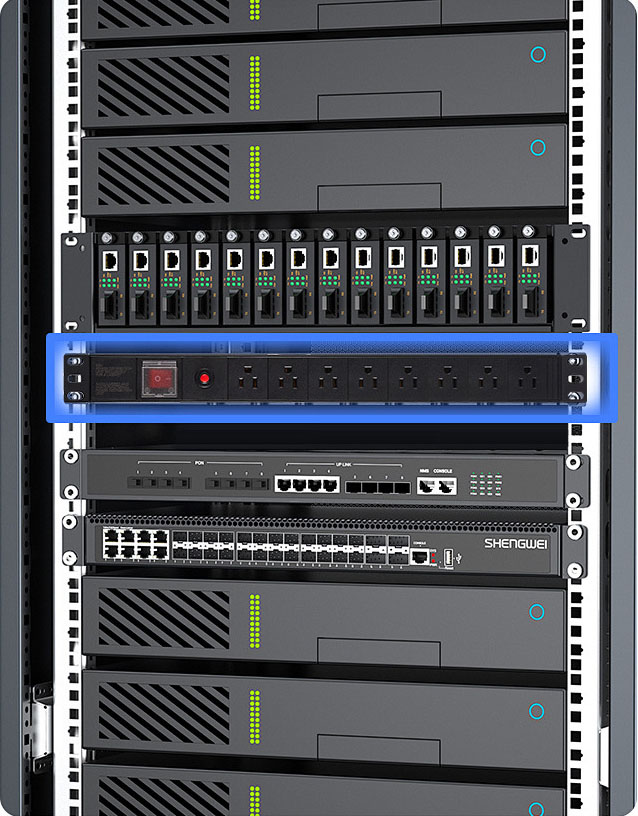
Improved Organization: Rack-mounted PDUs streamline the organization of power outlets in server racks, preventing messy and unsafe setups.
Remote Control: With switched and intelligent PDUs, data center operators can remotely manage power distribution, including turning on/off individual outlets or rebooting devices, enhancing operational flexibility.
What is the Primary Function of a PDU in a Data Center?
In data centers, the role of a PDU power distribution unit becomes even more crucial due to the need for reliable, continuous power. Data centers house numerous IT devices, all of which require stable power to operate. The PDU's primary function in a data center is to distribute electrical power from a central power source to multiple devices in an organized and efficient manner.
A PDU power distribution unit data center ensures that power is consistently supplied to all equipment in the facility. In larger data centers, rack mount power distribution units PDU are often used to manage power in racks of servers, networking equipment, and storage devices. They provide a streamlined approach to power distribution, ensuring that each rack receives the required amount of power and that devices can be reset or turned off remotely if necessary.
The primary functions of PDUs in a data center include:
Distributing power to multiple devices: PDUs are responsible for providing power to a range of equipment in the data center, including servers, routers, and storage devices.
Ensuring efficient energy use: Many PDUs provide monitoring features that allow data center managers to track power usage and ensure that energy is being used efficiently.
Maintaining uptime: By providing reliable power to all devices, PDUs help ensure that data centers remain operational without interruption.
Providing redundancy: Dual input power distribution units ensure that power remains uninterrupted, even in the event of a failure of one power source.
How Does a PDU Work?
A PDU works by taking power from a primary source, such as a circuit breaker panel or an uninterruptible power supply (UPS), and distributing it to multiple outlets. This allows for efficient power management across a variety of equipment, reducing the risk of overloads or power disruptions.
Here’s how a typical PDU works:
Power Inflow: The PDU is connected to an electrical panel that provides power from the grid or a backup power supply.
Distribution: The PDU then distributes power to multiple outlets, usually in a rack-mounted setup, to supply equipment like servers, routers, or other IT devices.
Power Monitoring: Advanced PDUs offer features such as power metering, temperature monitoring, and energy consumption analysis, allowing data center operators to track how much power is being used by each device.
Control: Some PDUs, particularly switched or intelligent PDUs, allow for remote power control, enabling users to switch devices on/off or reboot them without physically being at the rack.
Redundancy: Dual input power distribution units are used to provide redundancy, ensuring that if one power source fails, another takes over to maintain continuous power.
How to Choose a PDU
Selecting the right PDU power distribution unit depends on the specific needs of your infrastructure. Here are some key factors to consider when choosing a PDU:
Power Requirements: Calculate the total power needs of your equipment and choose a PDU that can handle the required load. For high-density racks, dual input power distribution units are often preferred to provide redundancy.
Monitoring and Control Features: If you need to monitor power usage or remotely control equipment, opt for a metered, switched, or intelligent PDU. These units offer advanced features that can help improve energy efficiency and provide flexibility in managing power distribution.
Rack Compatibility: Make sure that the PDU is compatible with your server racks. Rack mount power distribution units (PDU) are the most common type for server rooms and data centers because they fit easily into the rack and provide a neat and organized setup.
Redundancy: Consider dual input power distribution units if your infrastructure requires high availability and redundancy to prevent downtime. These PDUs ensure that your equipment remains powered even if one power source fails.
Energy Efficiency: Look for PDUs with energy monitoring capabilities that can help you track and optimize power usage. Reducing energy consumption not only saves costs but also helps in meeting sustainability goals.
Different Definitions of PDUs in Other Contexts
While PDUs are primarily used for power distribution in IT and data center environments, the term PDU has different meanings in other contexts.
In Project Management: In project management, PDU stands for Professional Development Unit. It is a measure of time spent on continuing education activities, such as workshops or training sessions, that contribute to maintaining certifications like PMP (Project Management Professional).
In Telecommunications: PDU can also refer to Protocol Data Units in telecommunications. A PDU is a unit of data specified in a protocol of a given layer in the OSI model. In this context, it represents a data packet that contains both the data and the necessary control information.
In Electrical Engineering: Outside of data centers, PDU can refer to Power Distribution Equipment, a broader term for any equipment used to distribute electrical power in a facility, including circuit breakers, transformers, and fuses.
Conclusion
A Basic Power Distribution Unit (PDU) is an essential piece of equipment for ensuring reliable and efficient power distribution across various devices in a data center or server room. From the distribution of power to real-time monitoring, PDUs are integral in maintaining uptime and preventing electrical failures. Dual input power distribution units, rack mount power distribution units, and intelligent PDUs offer features that can further optimize energy consumption and provide redundancy to ensure the continuous operation of mission-critical equipment. When choosing a PDU, it’s important to consider power requirements, monitoring needs, rack compatibility, and redundancy features. As energy efficiency becomes more crucial, selecting the right PDU is key to reducing operational costs and improving the overall sustainability of your data center operations.